The sumo world is currently a dynamic and complex environment where the remarkable endurance of its oldest veterans is celebrated, the cautious comeback of a former champion is closely watched, and the shifting influence of past legends continues to shape the sport’s future. These narratives unfold against a backdrop of personal reflection from today’s top wrestlers and the sad passing of a former champion, painting a picture of a sport in a state of transition.
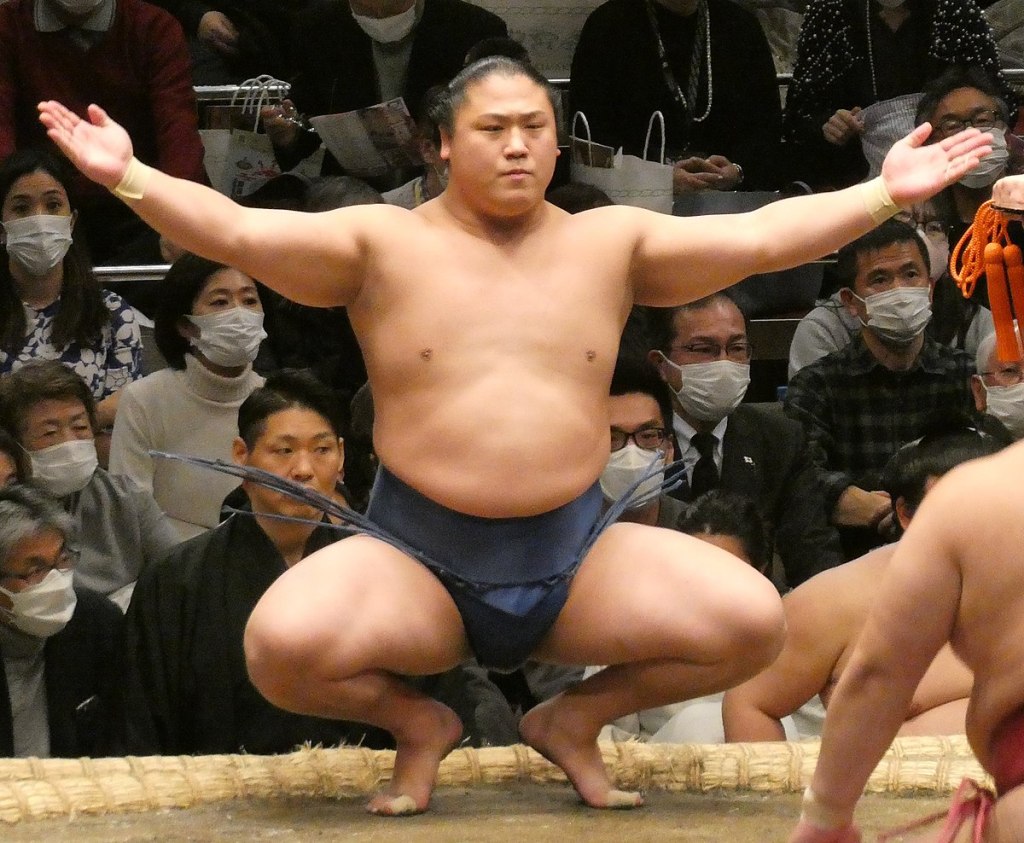
The performance of 40-year-old Tamawashi in the recent Nagoya tournament drew significant praise, particularly from former Komusubi Gagamaru. On his YouTube channel, Gagamaru expressed astonishment at the veteran’s record-setting Shukun-shō (Outstanding Performance Award). “He’s amazing,” Gagamaru stated. “I think he can wrestle until he’s 65 if he wants to.”
While some veterans continue to excel on the dohyo, others are finding new ways to exert their influence from the outside. Recently retired Yokozuna Hakuhō reportedly remained in close contact with his former disciple, Kusano, during his impressive debut in Nagoya, sending daily voice messages and offering advice. However, recent analysis suggests Hakuhō is navigating a challenging new landscape. While he was credited with ensuring the continued use of the Toyota Century for the winner’s parade, some sources indicate this may have been more due to Toyota’s local presence than his influence alone. With Kusano’s success also being attributed to his new stablemaster, the former Yokozuna Terunofuji, and other rising stars like Aoanishiki and the champion Kotoshōhō commanding the spotlight, Hakuhō is reportedly conscious of his diminishing presence since leaving the Sumo Association and is working to maintain a connection to the sport, particularly for the viability of his ‘Hakuhō Cup’ youth tournament.
As past champions navigate new roles, former Ōzeki Asanoyama is embarking on a careful comeback. Following a severe knee injury, he has secured his re-promotion to the Jūryō division but is proceeding with caution, focusing on basic exercises before resuming full sumo training. His return is a key part of a historic moment for the Takasago stable, which saw two other wrestlers, Asahakuryū and Asasuisei, promoted alongside him—the first time a single stable has had three simultaneous promotions to the salaried ranks since 1979.
Meanwhile, current top-division talent continues to reflect on their own place within the sport’s history. In a recent in-depth interview, Sekiwake Wakatakakage named Yokozuna Terunofuji as his most formidable opponent. He also elaborated on the origins of his distinctive ring name, explaining that it honours both his grandfather, former Komusubi Wakabayama, and the “three arrows” parable of the historical figure Mōri Motonari, connecting him deeply to family and national history.
This complex interplay of the present and the past was cast into poignant relief with the sad news of the passing of former Sekiwake Kotofuji, Kōya Kobayashi, at the age of 60. The 1991 Nagoya tournament champion had been battling illness in recent years. His death is a solemn reminder that while today’s wrestlers strive to create their own legacies, they do so on a dohyo rich with the stories and influence of those who came before them.
 The Chanko Pot
Leave a comment